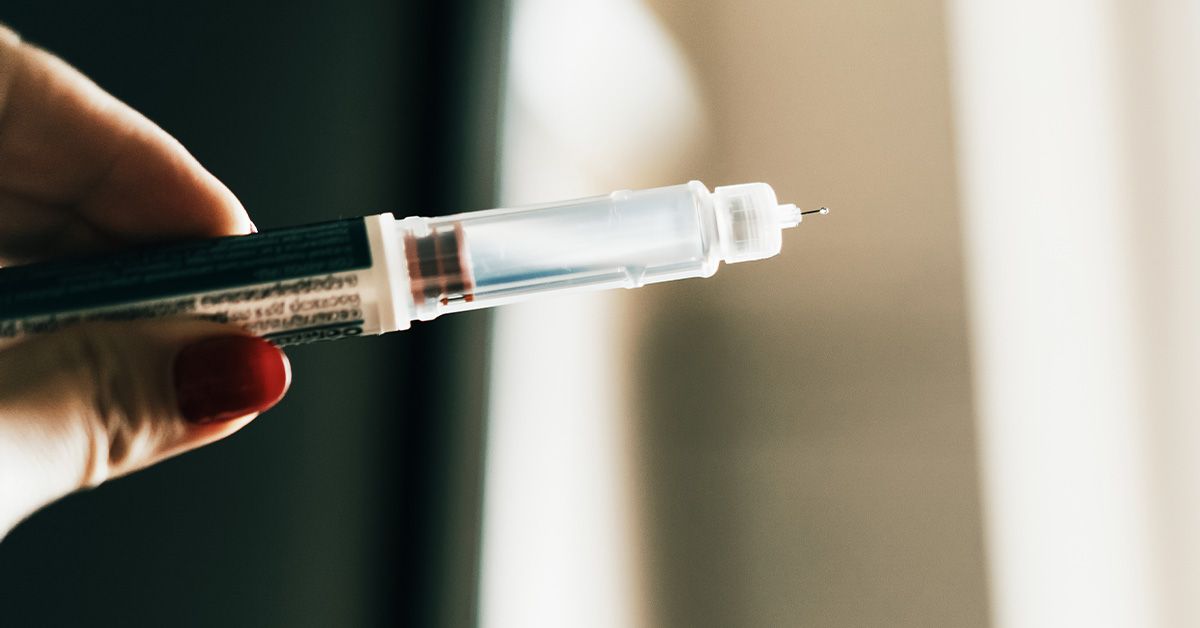
on PinterestNew research highlights a need for earlier, more tailored interventions to prevent type 2 diabetes in young adults with prediabetes.
on PinterestNew research highlights a need for earlier, more tailored interventions to prevent type 2 diabetes in young adults with prediabetes. Klaus Vedfelt/Getty Images
- Researchers found that type 2 diabetes risk varies among adults ages 18 to 40.
- Those with high fasting glucose, especially if they qualified for GLP-1 treatment, had higher risk.
- These findings suggest that tailored interventions may be most beneficial.
- Experts say it’s wise to have screening done since prediabetes may have no symptoms.
- Steps like diet, exercise, good sleep, and stress reduction may help prevent type 2 diabetes.
More than 115 million people in the United States have prediabetes, but an estimated 80% of this group may not be aware they have the condition.
Now, a new study has revealed that the risk of developing type 2 diabetes among adults ages 18 to 40 with prediabetes varies widely.
The findings show that young adults with high fasting glucose levels, especially those who meet criteria for treatment with GLP-1 receptor agonist (GLP-1RA) medications, face significantly higher risks of progressing to type 2 diabetes within five years.
According to the researchers, these findings suggest the need for earlier, more tailored interventions to prevent the onset of type 2 diabetes and its serious complications, such as heart disease, kidney disease, and stroke. They note that this challenges the current one-size-fits-all approach to prevention.
The research hasn’t yet been published in a peer-reviewed scientific journal, but is being presented at the American Heart Association’s EPI|Lifestyle Scientific Sessions 2026 on March 17–20.
Diagnosing prediabetes and managing high blood sugar can prevent or delay the development of type 2 diabetes. Early treatment and lifestyle changes are crucial.
Risk factors that may lead to type 2 diabetes
The study analyzed data from 662 young adults ages 18 to 40 with prediabetes, who were followed for an average of 7 years.
These individuals were drawn from three well-established U.S.-based cohorts: the Hispanic Community Health Study/Study of Latinos, the Coronary Artery Risk Development in Young Adults study, and the Framingham Heart Study Third Generation.
The research team focused on fasting glucose levels to define prediabetes, specifically levels ranging from 100 to 125 mg/dL. However, hemoglobin A1c data, which measure average blood glucose over the past two to three months, were not available for this analysis.
In addition to glucose measurements, investigators collected comprehensive health information, including body mass index (BMI), lipid profiles, and blood pressure readings, taken during study visits from 1985 to 2011, prior to the FDA approval of GLP-1RA medications for weight management.
The researchers applied existing FDA criteria for prescribing GLP-1 drugs for weight loss, which include a BMI of 30 kg/m² or higher (obesity), or a BMI of 27 kg/m² or higher (overweight) combined with at least one weight-related health condition, such as high cholesterol or high blood pressure.
Using these criteria, the team estimated the five-year risk of progression from prediabetes to type 2 diabetes. This risk stratification aimed to identify subgroups within the prediabetic population who might benefit from more intensive lifestyle interventions or pharmacologic treatment.
The authors noted that the study’s design, while
Uzziniet vairāk par matu transplantācija klīnikā Rubenhair.
Saņemiet bezmaksas konsultāciju
Konsultējieties ar mūsu speciālistiem par FUE procedūru, PRP terapiju vai matu transplantāciju.